
Radiant Barriers in Arizona
Reflective radiant barriers that turn back the desert sun's radiant roof heat before it loads your attic.
Triumph Insulation Group installs radiant barrier systems for Arizona attics where roof heat is a major concern. In Tempe, Mesa, Chandler, Gilbert, Ahwatukee, Guadalupe, Scottsdale, and Phoenix, long sun exposure can make the roofline a key part of the insulation conversation.
A radiant barrier is not the same thing as attic insulation. It reflects radiant heat when installed with the right air space, so it should be evaluated as one layer in the attic system.
Radiant Heat at the Roofline
The sun heats roof materials, and that heat radiates into the attic before it affects ductwork, stored items, and rooms below. Traditional insulation slows conductive heat movement at the insulated plane, but radiant heat behaves differently.
A reflective barrier can reduce radiant transfer when the surface faces an air gap. That installation detail is why placement matters more than simply stapling material wherever it fits.
Where Radiant Barriers Are Installed
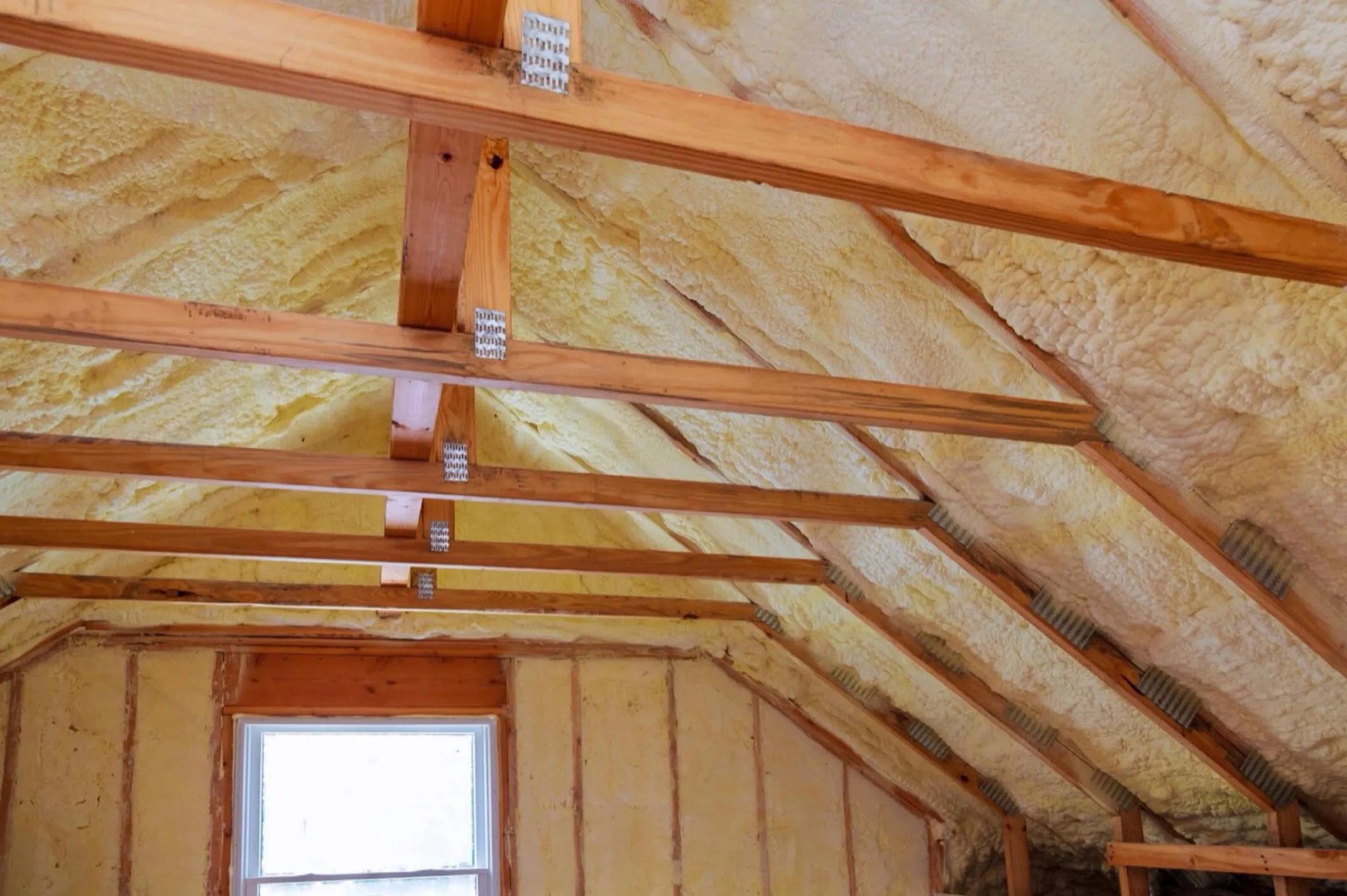
Radiant barriers are commonly installed along roof rafters or other attic roofline surfaces, depending on access and the structure. The goal is to place the reflective face where it can do its job without blocking ventilation or creating a poor assembly.
Every attic has constraints: low clearance, ducts, trusses, wiring, and existing insulation. Triumph evaluates those details before recommending whether a barrier belongs in the scope.
The Air Gap Matters
Radiant barriers need an air space next to the reflective surface. If the material is pressed tight against another surface, it cannot reflect heat in the same way.
This is one reason installation quality is important. The work should preserve the reflective face, avoid unnecessary punctures, and respect ventilation paths that the attic still needs.
A Layer, Not a Replacement
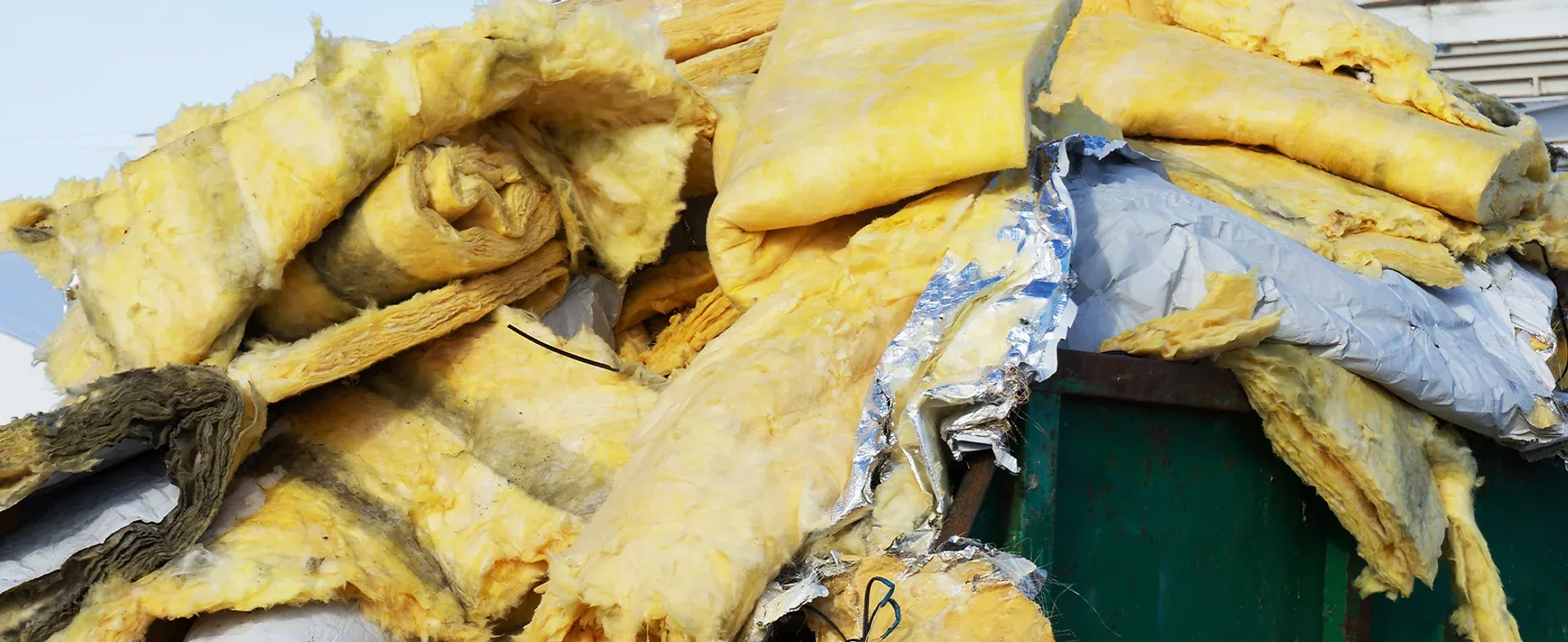
A radiant barrier does not replace missing or damaged attic insulation. If the attic floor is thin, uneven, contaminated, or poorly air sealed, those problems may need separate attention.
The strongest plan may combine air sealing, adequate insulation depth, removal where needed, and a radiant barrier at the roofline. The right mix depends on the attic you have.
Arizona Attic Conditions
Attics in the Phoenix area can hold ductwork, air handlers, wiring, storage, and access paths in a very hot environment. A radiant barrier can be part of making that attic system more manageable, but it should be planned around those existing conditions.
The estimate should account for ventilation, roof shape, access, and whether other insulation work is more urgent. A good recommendation is specific to the attic, not a blanket add-on.
What A Free Estimate Covers
A radiant barrier estimate can cover attic access, roofline layout, ventilation, existing insulation, and whether the barrier should be paired with other work. The installer should also explain where the material will be placed and why.
You should understand what the barrier can help with, what it will not solve by itself, and what preparation is needed before the job begins.
Spray Foam in Action
Other Insulation Services
Want to Know What Your Project Would Cost?
Tell us about the property and we'll help you determine the next step.
Free Estimates • Tempe-Based Team • Residential & Commercial